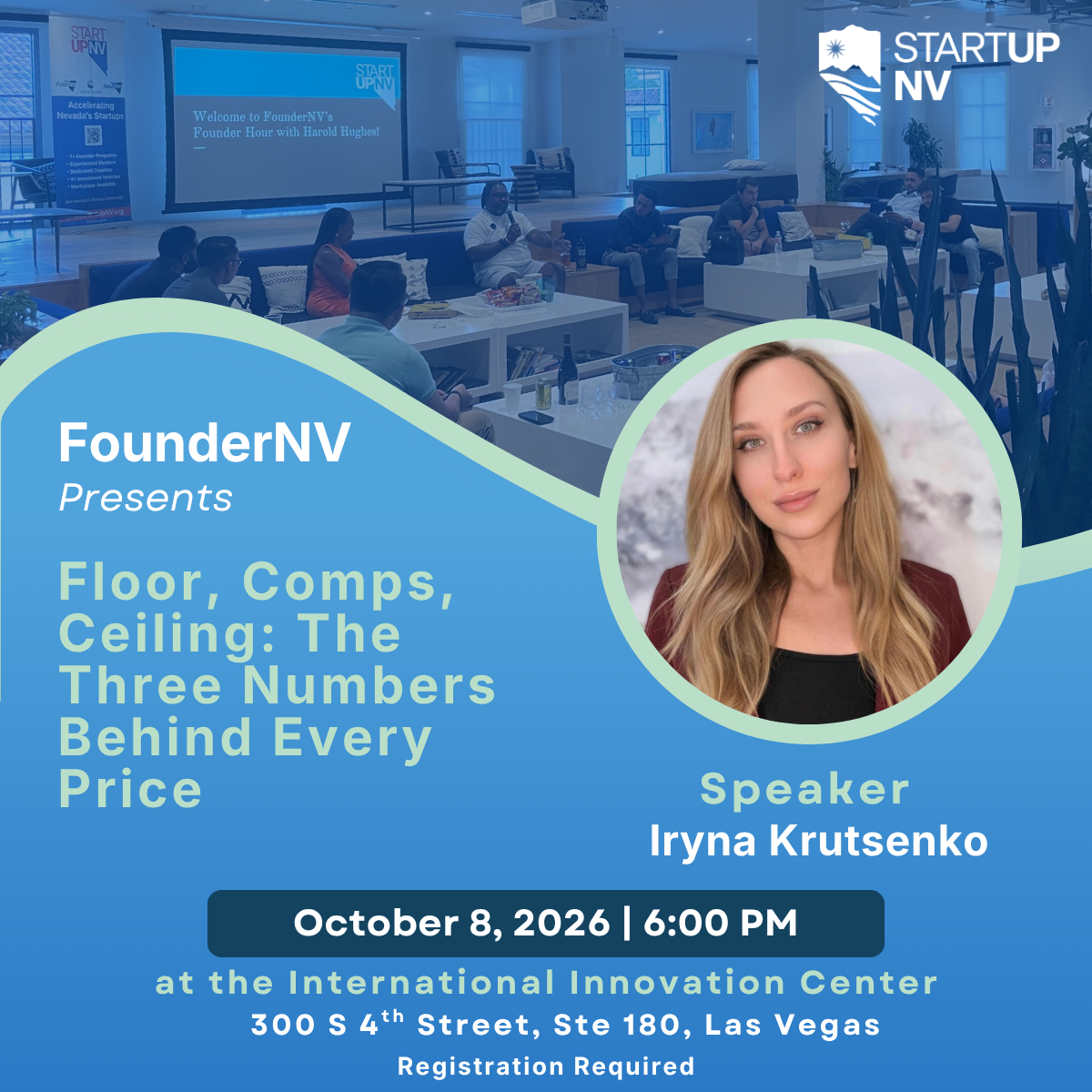
About Event
Pricing is one of the hardest calls a founder makes, and most of the available advice stops at the same place: look at what competitors charge. That's useful information, but it answers a different question. A competitor's price tells you where you sit in the market. It tells you nothing about whether that number works for your business.
This session walks founders through the three numbers that set your real range. Your floor, which is what one sale actually costs you once you count everything that touches it. Your comps, which are about positioning rather than price. And your ceiling, which is what the thing is worth to the person buying it, and is usually higher than it looks from the inside. The session covers how these numbers differ across industries, from restaurants to software to services, and how to find yours.
Attendees will learn:
-
What one sale really costs, including the costs that never show up on an invoice
-
Why the same product can make money in one channel and lose money in another, and why the blended number hides it
-
What unit economics look like in a restaurant, a service business, a software company, and an e-commerce store
-
What competitor pricing does and does not tell you
-
How to find what your product is worth to the buyer, not just what it costs you to deliver
-
How to tell whether you have a pricing problem or a cost problem
-
What to check before your next price change
Who It's For
Founders and small business owners at any stage, in any industry. No finance background, spreadsheet, or revenue required.
About the Speaker
The session is led by Iryna Krutsenko, Founder of Nine Lives Strategy, a strategic finance practice serving early-stage founders and small businesses. Iryna has spent more than ten years in financial planning and analysis, including corporate FP&A at an international specialty retailer, PE-backed growth companies, and the public sector. She now works with founders on pricing, unit economics, and the financial models investors actually read. Her focus is making numbers understandable: she doesn't just build the model, she teaches founders to read and defend their own. She helps startups raise money and business owners stop losing it.